




Since May 2021, orthodontists have been fully subject to European Regulation 2017/745 concerning custom-made medical devices (CMDs). A strict regulation—still too often underestimated—that imposes precise rules regarding traceability, compliance, and safety. These obligations directly engage the practitioner’s responsibility.
Here is a summary of the obligations and the risks incurred in case of non-compliance:
- Traceability records and declarations of conformity: up to €375,000 in fines and 5 years of imprisonment (DGCCRF inspection).
- Documents to be kept for 10 years: 5th class fines and criminal penalties (ANSM inspection).
- Manufacturer declaration: 5th class fines and criminal penalties (ANSM inspection).
- Safety data: 5th class fines and criminal penalties (URSSAF inspection).
- Vigilance (materiovigilance): up to €75,000 in fines and 4 years of imprisonment (ANSM inspection).
- Traceability requests from insurance providers: no reimbursement for the patient (mutual and insurance requirements).
Everything you produce in your practice is concerned
CMDs are often associated with 3D printing, but the reality is much broader. In orthodontics, many devices fall under this regulation and are routinely produced in practices:
- Study models (for orthodontic records or workflow)
- Aligners
- Retainers
- Surgical guides for mini-screws
- Ortho-surgical splints
- Retention wires (direct or indirect)
- Indirect bonding trays
Any appliance made directly in the mouth.
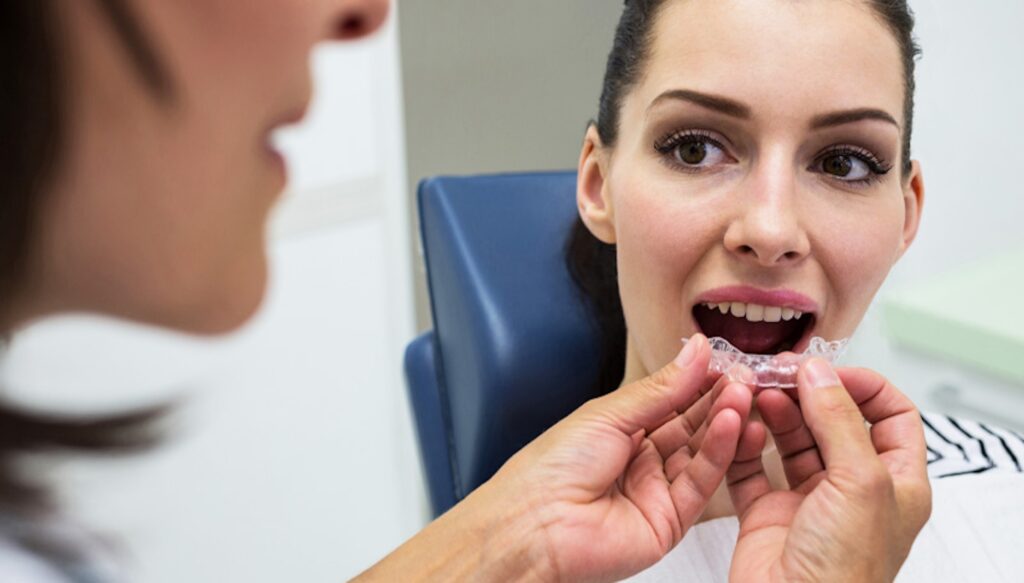
As soon as a device is created for a specific patient, based on a personalized prescription and intended exclusively for them, it falls under the definition of a CMD.
Three major obligations since 2021
Every CMD produced in a practice must comply with three key requirements:
- Declaration of the manufacturing structure to ANSM
- Issuance of a traceability record and a certificate of conformity
- Implementation of a documented quality management process
Failure to comply may lead to sanctions from regulatory authorities or professional bodies, in addition to legal risks in case of disputes.
Managing compliance: a real challenge?
Until recently, very few solutions existed to support orthodontists in this process. This is the context in which OrthoTrack was created—a software specifically designed to meet these requirements while adapting to the reality of daily practice.
Designed by an orthodontist, OrthoTrack combines:
- A production planning system for in-house devices
- A complete certification and traceability module for CMDs
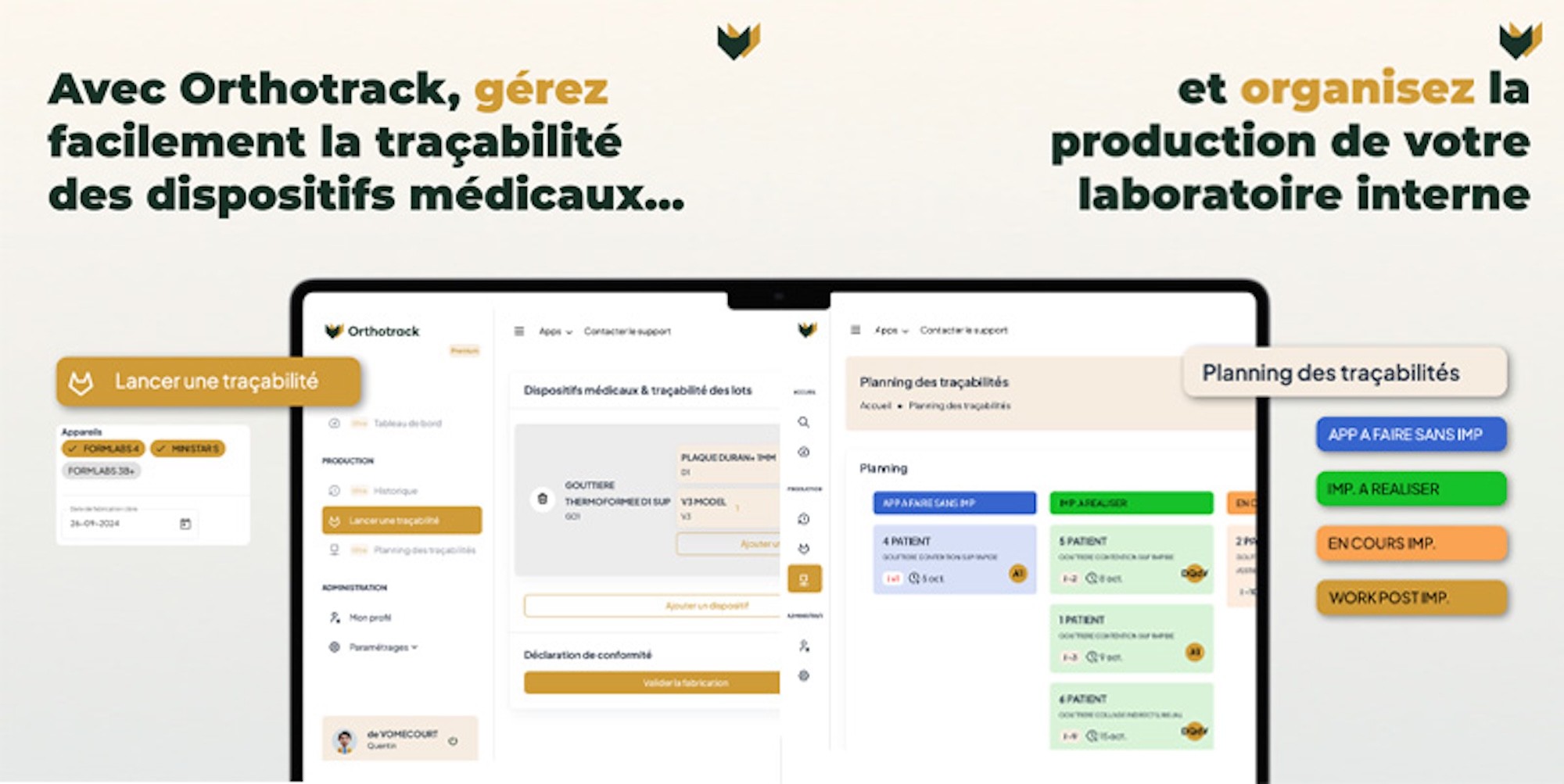
It automates administrative tasks for each device: declaration, document generation, archiving—while enabling delegation to assistants. The goal: comply with regulations without increasing workload.
A minimal cost for maximum protection
The solution is intentionally affordable: €50 incl. VAT/month, with a single subscription on a healthcare cloud server.
- Unlimited practitioners
- Unlimited workstations
- Unlimited patients
A minimal investment compared to the risks associated with non-compliance.
By summer 2025, integrations with practice management software are also planned to further streamline workflows.
Conclusion
Traceability of custom-made medical devices is no longer optional—it is a legal and ethical obligation. Orthodontists must fully understand this shift to ensure compliance and protect both their patients and their practice.
Solutions like OrthoTrack make it possible to approach this regulatory transition with confidence.
This article is brought to you by OrthoTrack, a solution by Dr. Quentin de Vomécourt and Julien Guth.
